Vintage Western: A Bold and Rugged Typeface for Authentic Western Design
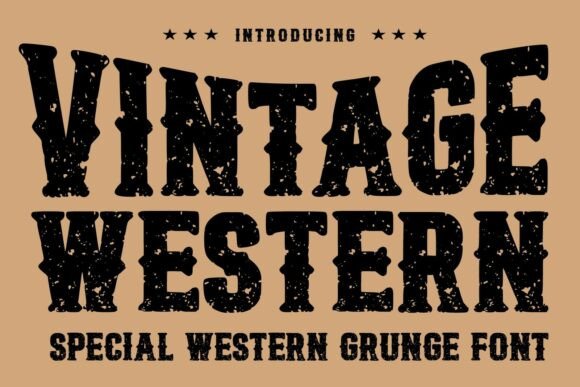
The Vintage Western font is more than just a typeface—it's a gateway to the wild, untamed spirit of the American frontier. With its strong slab-style letterforms and distinctive grunge texture, this font captures the essence of old-west typography and saloon signage. It's a powerful tool for anyone looking to infuse their designs with a sense of rugged authenticity and timeless charm.
Whether you're creating a vintage poster, designing a logo, or working on a t-shirt print, the Vintage Western font offers a bold and eye-catching presence that commands attention. Its distressed appearance adds a layer of character, making it ideal for projects that aim to evoke nostalgia and a sense of history.
Key Characteristics of the Vintage Western Font
The Vintage Western font is defined by its robust and unapologetic design. The letterforms are thick and sturdy, reminiscent of the hand-painted signs that once adorned the entrances of saloons and general stores in the 19th century. This slab-style approach gives the font a strong visual impact, making it perfect for headlines and display purposes.
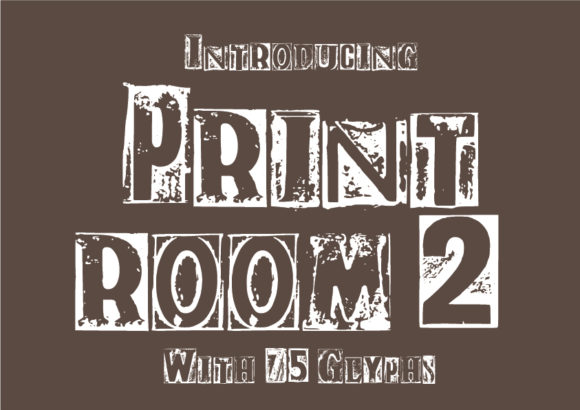
One of the most striking features of the Vintage Western font is its grunge texture. This subtle imperfection mimics the wear and tear of aged materials, adding depth and authenticity to any design. The texture isn't overpowering but rather enhances the overall aesthetic, giving the font a lived-in, weathered look that feels genuine.
The font also maintains readability despite its bold and rugged appearance. Each character is carefully crafted to ensure clarity, even at smaller sizes. This makes it versatile for a range of applications, from large-scale banners to small product labels.
Applications and Use Cases for Vintage Western
The versatility of the Vintage Western font makes it a valuable asset across various industries and creative fields. In the world of branding, it's an excellent choice for businesses that want to convey a sense of heritage and tradition. From boutique coffee shops to cowboy-themed restaurants, this font can help establish a strong visual identity that resonates with customers.
In graphic design, the Vintage Western font is frequently used for posters, flyers, and packaging. Its bold and distinctive style makes it ideal for eye-catching headlines that stand out in a crowded marketplace. Whether you're promoting a music festival, a film premiere, or a local event, this font can add a touch of authenticity and flair.
For fashion and apparel, the Vintage Western font is a popular choice for t-shirt prints and merchandise. Its rugged aesthetic complements the laid-back, adventurous vibe of western-inspired clothing. Designers often pair it with other retro elements to create cohesive and stylish collections that appeal to a wide audience.
Additionally, the font is well-suited for packaging and labeling. Its textured appearance works well on product boxes, bottle labels, and promotional materials, adding a tactile quality that enhances the overall customer experience. This makes it a favorite among craft breweries, artisanal food producers, and specialty retailers looking to differentiate their products.
Why Choose Vintage Western Over Other Fonts?
When it comes to choosing a font for western-themed projects, the Vintage Western font stands out due to its unique combination of strength and character. Unlike more generic fonts that may lack personality, this typeface delivers a distinct and memorable look that aligns perfectly with the western aesthetic.
Another advantage of the Vintage Western font is its adaptability. While it's designed with a specific style in mind, it can be customized and modified to suit different creative needs. Designers can adjust the texture, spacing, and weight to achieve the desired effect without losing the font's core identity.
Furthermore, the font's popularity among designers and artists means that there are plenty of resources and examples available for inspiration. Whether you're looking for layout ideas, color combinations, or typographic techniques, there's a wealth of knowledge to draw from when working with this font.
Best Practices for Using Vintage Western
To get the most out of the Vintage Western font, it's important to consider how it interacts with other design elements. Since the font has a strong visual presence, it's best used sparingly and strategically. Overusing it can lead to clutter and reduce its impact.
Pairing the Vintage Western font with complementary typefaces can help balance the design while maintaining a cohesive look. For example, using a clean and modern sans-serif font for body text can provide contrast and improve readability without undermining the boldness of the Vintage Western font.
Additionally, experimenting with color and background can enhance the font's texture and make it stand out even more. Dark backgrounds with light-colored text can create a dramatic effect, while lighter backgrounds with rich, earthy tones can evoke a sense of warmth and authenticity.
Finally, always test the font in different contexts and sizes to ensure it performs well across various mediums. Whether it's printed on paper, displayed on a screen, or used in a digital format, the Vintage Western font should maintain its integrity and visual appeal.
Conclusion
The Vintage Western font is a powerful and versatile tool for anyone looking to bring a western theme into their design work. Its bold slab-style letterforms, grunge texture, and authentic aesthetic make it an ideal choice for a wide range of projects. From branding and graphic design to fashion and packaging, this font offers a unique way to express the rugged spirit of the old west.
By understanding its key characteristics and practical applications, designers can effectively incorporate the Vintage Western font into their workflows and create compelling, visually striking designs that resonate with audiences. Whether you're a seasoned designer or just starting out, this font provides a great opportunity to explore the rich and enduring legacy of western typography.